
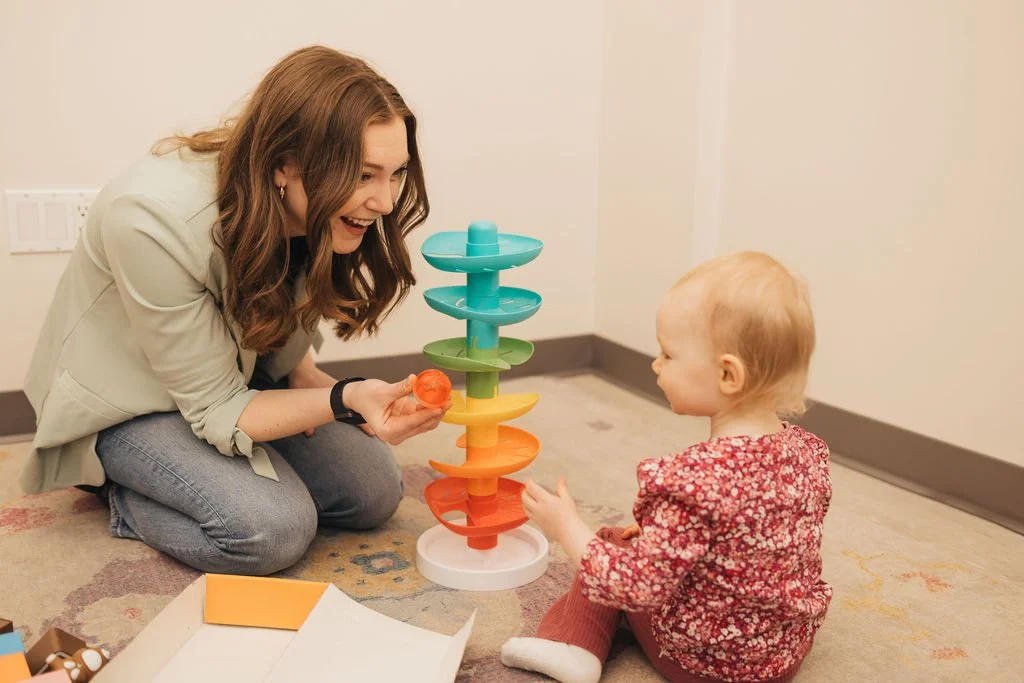
Communication Support
Communication Support for Children, Teens, and Adults in Regina, SK
Communication is more than talking.
It is connection.
It is being understood.
It is having a voice in your relationships, school, work, and daily life.
At Pathways, we support individuals of all ages whose communication works differently, or feels harder than it should.
We take a neurodiversity-affirming approach, meaning we do not try to make people communicate in one “correct” way. Instead, we help individuals build communication systems that work for them.

Who We Support
Communication differences can look many different ways.
You or your child may:
Be late to start talking
Use scripts, echolalia, or Gestalt Language Processing
Have difficulty finding words or organizing thoughts
Struggle with conversation, social communication, or friendships
Experience speech sound differences
Feel misunderstood or anxious when communicating
Have communication differences related to autism, ADHD, language disorder, or learning differences
Prefer alternative communication methods (AAC, gestures, typing, visuals)
All communication is valid.
Our role is to help communication become easier, more successful, and more empowering.
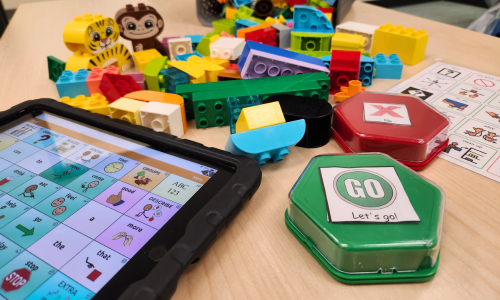
Our Approach to Communication Support
We believe communication grows through relationship, safety, and meaningful interaction — not pressure or correction.
Therapy may include:
Play-based language therapy for children
Support for Gestalt Language Processors
Social communication coaching
AAC exploration and implementation
Executive functioning & communication strategies
Self-advocacy skills
Conversation and relationship skills
Communication confidence building
We follow the individual’s interests, strengths, and goals.
Because communication is not just a skill — it’s identity.
How Pathways
Supports Communication
Speech-Language Pathology That Respects Your Own Unique Self
Many individuals come to us after feeling that therapy focused too much on compliance or “fixing” differences.
Our clinicians understand that:
Different communication styles are meaningful
Echolalia and scripting are valid language development pathways
Regulation and communication are deeply connected
Authentic communication matters more than perfect communication
We support growth without asking someone to mask who they are.
Learn more about our speech therapy services » here.
Communication Support Across the Lifespan
Children
Early language development
Late talking or language delays
Speech sound development
Play and social connection skills
Support for autistic communication styles
Teens
Social communication
Friendship navigation
Classroom participation
Self-advocacy and identity development
Adults
Workplace communication
Relationship communication
Executive functioning & organization
Understanding one’s neurodivergent communication characteristics
Confidence and self-expression
Stroke or brain injury rehabilitation
Communication development does not stop in childhood, and support should not either.
Why Families and Adults Choose Pathways
Families often tell us:
“You actually understood how my child communicates.”
“This is the first time therapy felt respectful.”
“I finally feel understood.”
Our goal is simple:
Help people communicate in ways that feel natural, effective, and authentic.
Getting Started
If communication feels frustrating, confusing, or exhausting — support can help.
You don’t need a diagnosis to begin.